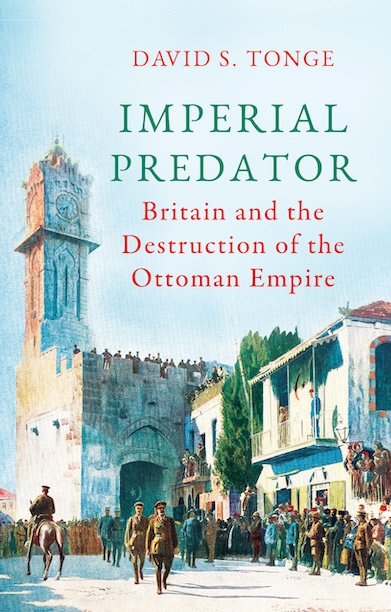
Imperial Predator
Britain and the Destruction of the Ottoman Empire
The Ottoman Empire didn’t just dissolve—it was destroyed. This revealing new history exposes Britain’s central role in tearing it apart.
Description
Britain’s plunder of the Ottoman Empire is one of history’s great land grabs. In 1876, the Ottomans controlled territory as large as contemporary China. By 1923, nine-tenths of this grand heritage was gone, half now under British control.
From the ‘civilising mission’ of Lord Salisbury to the Sykes-Picot Agreement, this is the riveting story of Britain’s systematic destruction of the Ottoman Empire. Nineteenth-century diplomacy was brutal, with treaties ignored and promises elided. The Ottomans sought to balance between the European powers, but Britain had a navy second to none and admirals no less impetuous than Nelson. Allying itself with Russia in 1914, Britain spurned the Young Turks, driving them into the German camp—thereby expanding World War One into Asia and increasing British costs by half. Although the Ottomans resisted more fiercely than often recorded, their fateful wartime defeat would taint the future of the whole Middle East.
Drawing on the latest archival research, David S. Tonge shows that the end of the Ottomans was far more than a collapse: it was imperial asset-stripping by a predator at the top of its game. Written in the memory of every Turk and Arab, this history forged today’s world.
Table of contents
Introduction
Chapter One: Britain and the Destruction of the Ottoman Empire: The Final Years, 1876-1923
Chapter Two: Britain and the Destruction of the Ottomans: The Years of Plunder, 1876-1923
Chapter Three: Britain and the Ottomans: The Years of Plunder, 1876-1923
Chapter Four: Britain and the Destruction of the Ottomans: The Clash of Great Empires, 1876-1923
Chapter Five: Plunder: Britain’s Role in the Dismemberment of the Ottoman Empire, 1876-1923
Chapter Six: Predator: Britain’s Role in the Destruction of the Ottoman Empire, 1876-1923
Conclusion
Bibliography
Index
Reviews
‘A compelling account of Britain’s ruthless role in the chaotic break-up of the Ottoman Empire that turned the Middle East into an arena for endless wars.’ — Patrick Cockburn, Foreign Correspondent, The Independent
‘An engaging, clear and sweeping diplomatic history of British imperialism in the Ottoman Eastern Mediterranean.’ — M. Şükrü Hanioğlu, Professor of Near Eastern Studies, Princeton University
‘Highly engaging, vivid and well substantiated, Imperial Predator is carefully researched and thoughtfully composed. Tonge draws upon an impressive range of sources to assemble a nuanced and intricate account of British policymaking.’ — Mustafa Aksakal, Associate Professor of History and Nesuhi Ertegün Chair of Modern Turkish Studies, Georgetown University
‘A well-documented, elegantly written assessment of British imperial politics leading to the dismemberment of the Ottoman Empire and remapping of the Middle East. Vital reading for anyone interested in the region’s complexities and making of modern Turkey.’ — Gul Tokay, Visiting Professor of Diplomatic History, Richmond University
Author(s)
David S. Tonge has lived half of his life in Turkey. A scholar of Magdalene College, University of Cambridge, he reported from Ankara and Athens for the BBC, The Guardian and The Observer, then from London as the Financial Times’ diplomatic correspondent. The author of Imperial Predator and The Enduring Hold of Islam in Turkey (both published by Hurst); and The Kremlin’s Confidant, he grows citrus and olives.
FAQs
Frequently Asked Questions
What is "Imperial Predator" about?
Britain’s plunder of the Ottoman Empire is one of history’s great land grabs. In 1876, the Ottomans controlled territory as large as contemporary China. By 1923, nine-tenths of this grand heritage was gone, half now under British control.
From the ‘civilising mission’ of Lord Salisbury to the Sykes-Picot Agreement, this is the riveting story of Britain’s systematic destruction of the Ottoman Empire. Nineteenth-century diplomacy was brutal, with treaties ignored and promises elided. The Ottomans sought to balance between the European powers, but Britain had a navy second to none and admirals no less impetuous than Nelson. Allying itself with Russia in 1914, Britain spurned the Young Turks, driving them into the German camp—thereby expanding World War One into Asia and increasing British costs by half. Although the Ottomans resisted more fiercely than often recorded, their fateful wartime defeat would taint the future of the whole Middle East.
Drawing on the latest archival research, David S. Tonge shows that the end of the Ottomans was far more than a collapse: it was imperial asset-stripping by a predator at the top of its game. Written in the memory of every Turk and Arab, this history forged today’s world.
Who wrote "Imperial Predator"?
"Imperial Predator" was written by David S. Tonge.
David S. Tonge has lived half of his life in Turkey. A scholar of Magdalene College, University of Cambridge, he reported from Ankara and Athens for the BBC, The Guardian and The Observer, then from London as the Financial Times’ diplomatic correspondent. The author of Imperial Predator and The Enduring Hold of Islam in Turkey (both published by Hurst); and The Kremlin’s Confidant, he grows citrus and olives.
What is the Table of Contents for "Imperial Predator"?
Introduction
Chapter One: Britain and the Destruction of the Ottoman Empire: The Final Years, 1876-1923
Chapter Two: Britain and the Destruction of the Ottomans: The Years of Plunder, 1876-1923
Chapter Three: Britain and the Ottomans: The Years of Plunder, 1876-1923
Chapter Four: Britain and the Destruction of the Ottomans: The Clash of Great Empires, 1876-1923
Chapter Five: Plunder: Britain’s Role in the Dismemberment of the Ottoman Empire, 1876-1923
Chapter Six: Predator: Britain’s Role in the Destruction of the Ottoman Empire, 1876-1923
Conclusion
Bibliography
Index
Related books