
The enslavement of Africans is one of the most disgraceful crimes that afflicted and is afflicting the continent. I say ‘afflicting’ since this is still happening today. Few realise that slavery was not eliminated in Africa with the ending of the Trans-Atlantic trade in the nineteenth century. Men, women and children are still being bought, sold and inherited in five African nations. Mauritania, Mali, Libya, Niger and Sudan still quietly tolerate this notorious practice.
In May 2022 Tomoya Okokata, the UN Special Rapporteur on contemporary forms of slavery, produced his latest report on Mauritania.[1] Professor Obokata summed up his findings:
‘Slavery exists within Arabic-speaking communities, also known as Moors, as well as within Black Mauritanian communities such as the Soninke, Wolof and Fulani. The Moor community consists of two groups, the dominant Beydane, of Arab-Berber background, and the Haratine, descendants of enslaved persons originating from Black communities in the south of Mauritania who now share the culture of the Beydane.’
In 2023 Professor Obokata provided the UN with a further report after a visit to Mali.
Nothing can justify slavery, whether it be culture, tradition, or religion…While there is no data on the number of people born into slavery according to Mali’s National Commission on Human Rights, the experts’ statement highlighted estimates from some organisations of at least 800,000 victims, including 200,000 living ‘under the direct control of their “masters”‘. [2]
This evidence is supplemented by journalists’ reports from conflict zones, including Sudan. Yet the African Union and the Arab League (which has 10 African members) have failed to act. At its most recent summit in February 2026 in Addis Ababa the African Union did address slavery, but only in its historic context, and only in the Atlantic.
‘The African Union has passed a resolution calling on the UN to declare transatlantic slavery the most serious crime against humanity. The initiative, spearheaded by the President of Ghana, has the support of 40 countries… The transatlantic slave trade, active between the 15th and 19th centuries, resulted in the forced displacement of more than 12 million people.’[3]
This will do nothing to help the hundreds of thousands of Africans still enslaved today. Their fate is increased by the daily plight of men and women who are captured by Libyan traffickers, only to be sold if they cannot pay for their transportation to European destinations.
It is not difficult to see why African leaders have been so pusillanimous, abandoning their people to this tragic fate. To deal with contemporary chattel slavery would mean confronting their fellow presidents and prime ministers. That is something the African elite is reluctant to do, preferring to contain their discussions to the historic Trans-Atlantic slave trade and their demands for reparations.
Focus restricted to the Atlantic and to the colonisers
This perspective denies the true scale of African enslavement. Some 12 million were taken across the Atlantic, but this is a fraction of the total, which is calculated at 50 million people. It ignores the Indian Ocean trade, which was comparable in scale to the Atlantic. Slaves were shipped as far as China with tens of thousands sent to India to serve as troops. Their descendants live in India and Pakistan to this day and are still poorly treated. The Ottomans took slaves across the Sahara and up the Red Sea for centuries. So did the Arab nations: Saudis and the Omanis were possibly the largest African enslavers of all time.
This is before we examine indigenous enslavement across Africa. The record is etched on the rocks of the Nile, with Egyptians taking Nubians up the river from as early as 2,900 BCE. In what is present day Nigeria and Niger, millions of mainly Hausas were enslaved by the Fulani. In the 1860s their numbers were comparable to those of the slaves held in the whole of the United States of America, then fighting the civil war over the question of slavery. Ethiopia traded in its own people for all of its recorded history. This continued well into the twentieth century, with evidence of hundreds of thousands remaining in slavery under the last emperor, Haile Selassie.
Neither contemporary slavery nor indigenous slavery have been addressed by the African Union, the Arab League or United Nations organisations like UNESCO. None of this excuses or diminishes the European and American role in the slave trade. However, while Western universities have extensive studies of their nation’s role in this notorious practice, the study is either ignored or restricted across much of the Arab and Islamic world. It is no coincidence that Saudi Arabia has closed its slave archives. The Saudis only outlawed slavery in the 1960s – a legacy that is perhaps too painful to acknowledge.
[1] A/HRC/54/30/Add.2: Visit to Mauritania, 21 July 2023, para. 29.
https://www.ohchr.org/en/documents/country-reports/ahrc5430add2-visit-mauritania
[2] Mali: Ban slavery by law, say top rights experts, Press Release, UN, 8 May 2023
https://news.un.org/en/story/2023/05/1136437, Accessed 16 September 2024
[3] https://welcomeafrica.org/en/africa-calls-on-the-un-to-condemn-slavery/
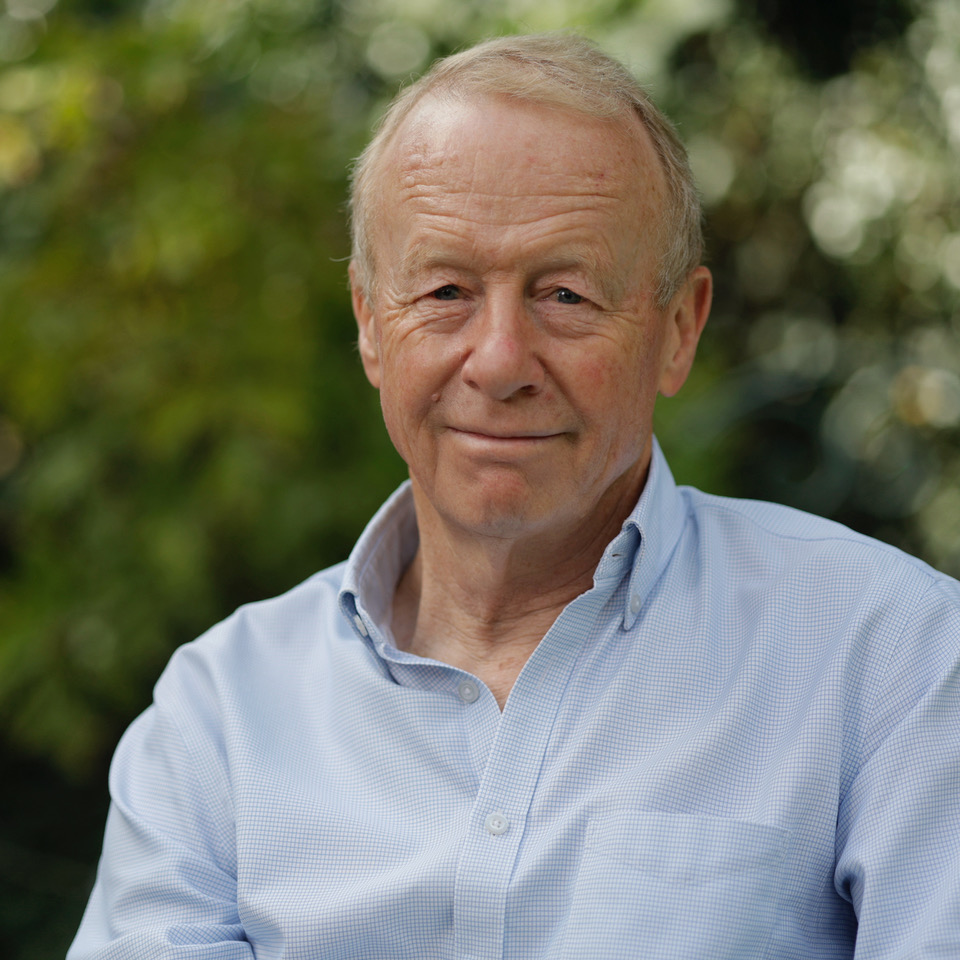
Martin Plaut, the BBC World Service's former Africa Editor, has published extensively on African affairs. An adviser to the Foreign Office and the US State Department, he is Senior Researcher at the Institute of Commonwealth Studies and King's College London.