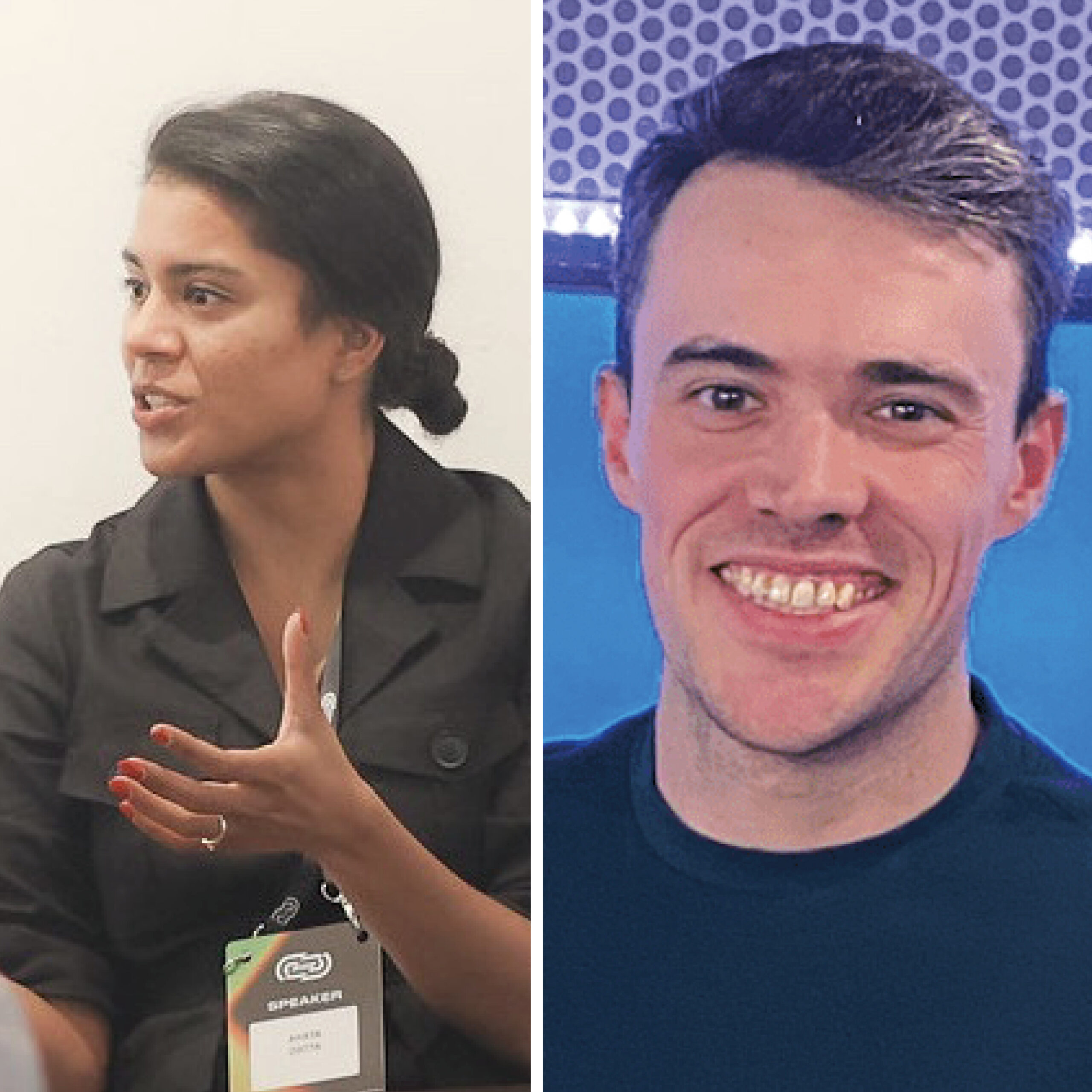
Enemy of the State & Full Stack Spies w/ Oliver Price & Ahana Datta Fasel
Hereford, HR1 2DL
Digital power, secrecy, and accountability: Ahana Datta Fasel, author of Full Stack Spies, maps how hackers, defenders, tech giants, and nation states forge, leverage, and contest cyber power across geopolitics, trade, finance, and critical infrastructure — and why this jostling undermines long-term trust in cyberspace. Oliver Price, author of Enemy of the State, reveals Britain’s mass spying programs, drawn from declassified files, and shows how fear of radicalism shaped surveillance beyond genuine threats.
About the books
Enemy of the State: Political Surveillance in Twentieth-Century Britain
For much of the twentieth century, relations between Britain and the Soviet Union were defined by mutual hostility and distrust. From the Bolshevik Revolution until the end of the Cold War, the British establishment was deeply concerned about Soviet-inspired subversion, and secretly monitored thousands of its own citizens due to their real or perceived links to communism, the Soviet Union or both.
 Enemy of the State reveals how Britain’s intelligence services carried out mass spying operations on the grounds of protecting democracy. Using phone taps, hidden microphones, mail interception and covert break-ins, they investigated trade unionists, scientists, politicians, actors, anti-nuclear and anti-apartheid protesters, and more. But the culture of secrecy permeating British institutions has meant that the extent of these activities is little known. Drawing on recently declassified files from the British government and MI5, Oliver Price argues that while communism gained little traction in domestic politics, fear of left-wing radicalism led to the widespread monitoring of individuals and political groups—many of whom posed no threat to the British state.
Britain was long considered a country in which ‘political policing’ was resisted. But Price shows how the tumultuous events of the last century reshaped official attitudes and normalised surveillance.
Full Stack Spies: Cyber Espionage in the Age of US–China Competition
Even the most elite hackers use common technologies to steal state secrets, which help intelligence agencies to catch them. Are these hackers simply reckless, or do their operations reveal something deeper about their nation-state patrons?
 Over a globally interconnected Internet, nations must constantly toe the delicate line of maintaining stability–developing shared tech protocols that they themselves must also break, in order to spy. This is the paradox at the heart of cyber espionage: states need to cooperate if they are to compete. As the US and China vie for strategic advantage through a new form of statecraft in cyber space, an intensifying cat-and-mouse game makes cyber security more difficult, more expensive and more unpredictable for us all.
Full Stack Spies examines the dynamic, interdependent relationships that hackers, cyber defenders, tech giants and nation states forge, leverage and exploit to amass cyber power against a wide range of targets in geopolitics, global trade and finance, the armed forces, and critical infrastructure. But this jostling for cyber dominance makes spying online harder–and, more crucially, undermines long-term trust in cyber space, destabilising the foundations of digital societies.
About the authors
Oliver Price is a historian of Modern Britain. He completed his PhD in 2024 and has had work featured in publications including Contemporary British History, Modern British History and History Today. This is his first book.
Ahana Datta Fasel advises governments and companies globally on geopolitical, technology, and systemic risk. Previously the Financial Times’ cyber chief, she has held senior cyber roles in the UK government, serving the Ministry of Justice, the Cabinet Office, and the National Cyber Security Centre. She is a strategic advisor on national security and defence to UK Research and Innovation and a trustee of Privacy International. She has held visiting fellowships at Cornell, Cambridge, Imperial and Durham, and her editorials have appeared in Foreign Policy, FT, and Columbia Journalism Review. She holds a PhD from University College London.
RSVP