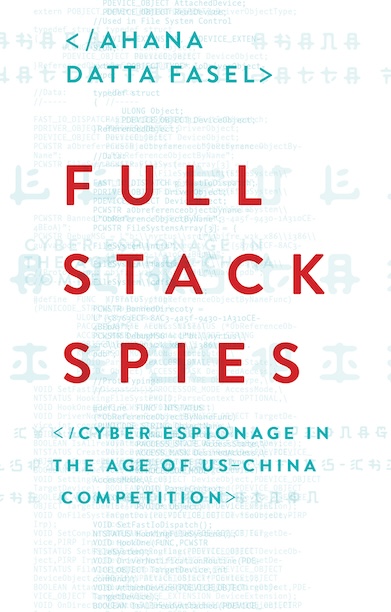
Full Stack Spies
Cyber Espionage in the Age of US–China Competition
Examines how cyber espionage became an instrument of statecraft, shaped by the entanglements between states, hackers and tech companies that drive global instability.
Description
Even the most elite hackers use common technologies to steal state secrets, which help intelligence agencies to catch them. Are these hackers simply reckless, or do their operations reveal something deeper about their nation-state patrons?
Over a globally interconnected Internet, nations must constantly toe the delicate line of maintaining stability–developing shared tech protocols that they themselves must also break, in order to spy. This is the paradox at the heart of cyber espionage: states need to cooperate if they are to compete. As the US and China vie for strategic advantage through a new form of statecraft in cyber space, an intensifying cat-and-mouse game makes cyber security more difficult, more expensive and more unpredictable for us all.
Full Stack Spies examines the dynamic, interdependent relationships that hackers, cyber defenders, tech giants and nation states forge, leverage and exploit to amass cyber power against a wide range of targets in geopolitics, global trade and finance, the armed forces, and critical infrastructure. But this jostling for cyber dominance makes spying online harder–and, more crucially, undermines long-term trust in cyber space, destabilising the foundations of digital societies.
Table of contents
Introduction
PART ONE
TRADECRAFT
1. Upstairs, Downstairs
2. Never Knowingly Undersold
3. “We Have a Budget for This”
4. “Fuck. Fuck. Fuck.”
5. Kingmakers
PART TWO
STATECRAFT
6. The Attacker’s Creed
7. Fish and Chips
8. Cooperate, Confront, Compete
9. Wired for Mistrust
PART THREE
INSTABILITY
10. With Great Power
11. War and Not War
12. Weapons of an Uneasy Peace
13. The Second Move
Notes
Extended Bibliography
Reviews
‘This deeply researched book shows how great power competition in the digital age calls into question established concepts of strategic stability with grave implications for liberal democracies.’ — Nigel Inkster, author of The Great Decoupling: China, America and the Struggle for Technological Supremacy
‘An insightful look at the interdependencies shaping modern information ecosystems. A must-read for anyone grappling with the role of technology in US–China power competition.’ — Alicia Wanless, author of The Information Animal: Humans, Technology and the Competition for Reality
‘A comprehensive deep dive into the shifting actors, motives and methods behind cyber espionage as we know it. Through the lens of “strategic empathy”, it provides a valuable framework for Western cyber policymakers to anticipate, withstand and counter the next generation of cyber threats.’ — Melanie Garson, Associate Professor of International Security, University College London
‘A compelling and timely exploration of contemporary cyber statecraft, showing how China and Russia weaponise digital infrastructure to challenge Western power.’ — Alexander Evans, Associate Dean for Strategic Development, London School of Economics, and former UK diplomat
‘Engaging, ambitious and compellingly written, it is rare to see something both this detailed and this up-to-date. A must-buy.’ — Ben Collier, Senior Lecturer in Digital Methods, University of Edinburgh, and author of Tor: From the Dark Web to the Future of Privacy
Author(s)
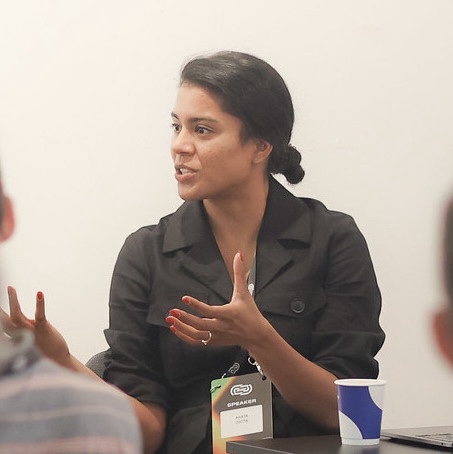
Ahana Datta Fasel advises governments and companies globally on geopolitical, technology, and systemic risk. Previously the Financial Times’ cyber chief, she has held senior cyber roles in the UK government, serving the Ministry of Justice, the Cabinet Office, and the National Cyber Security Centre. She is a strategic advisor on national security and defence to UK Research and Innovation and a trustee of Privacy International. She has held visiting fellowships at Cornell, Cambridge, Imperial and Durham, and her editorials have appeared in Foreign Policy, FT, and Columbia Journalism Review. She holds a PhD from University College London.
FAQs
Frequently Asked Questions
What is "Full Stack Spies" about?
Even the most elite hackers use common technologies to steal state secrets, which help intelligence agencies to catch them. Are these hackers simply reckless, or do their operations reveal something deeper about their nation-state patrons?
Over a globally interconnected Internet, nations must constantly toe the delicate line of maintaining stability--developing shared tech protocols that they themselves must also break, in order to spy. This is the paradox at the heart of cyber espionage: states need to cooperate if they are to compete. As the US and China vie for strategic advantage through a new form of statecraft in cyber space, an intensifying cat-and-mouse game makes cyber security more difficult, more expensive and more unpredictable for us all.
Full Stack Spies examines the dynamic, interdependent relationships that hackers, cyber defenders, tech giants and nation states forge, leverage and exploit to amass cyber power against a wide range of targets in geopolitics, global trade and finance, the armed forces, and critical infrastructure. But this jostling for cyber dominance makes spying online harder--and, more crucially, undermines long-term trust in cyber space, destabilising the foundations of digital societies.
Who wrote "Full Stack Spies"?
"Full Stack Spies" was written by Ahana Datta Fasel.
Ahana Datta Fasel advises governments and companies globally on geopolitical, technology, and systemic risk. Previously the Financial Times’ cyber chief, she has held senior cyber roles in the UK government, serving the Ministry of Justice, the Cabinet Office, and the National Cyber Security Centre. She is a strategic advisor on national security and defence to UK Research and Innovation and a trustee of Privacy International. She has held visiting fellowships at Cornell, Cambridge, Imperial and Durham, and her editorials have appeared in Foreign Policy, FT, and Columbia Journalism Review. She holds a PhD from University College London.
What is the Table of Contents for "Full Stack Spies"?
Introduction
PART ONE
TRADECRAFT
1. Upstairs, Downstairs
2. Never Knowingly Undersold
3. "We Have a Budget for This"
4. "Fuck. Fuck. Fuck."
5. Kingmakers
PART TWO
STATECRAFT
6. The Attacker's Creed
7. Fish and Chips
8. Cooperate, Confront, Compete
9. Wired for Mistrust
PART THREE
INSTABILITY
10. With Great Power
11. War and Not War
12. Weapons of an Uneasy Peace
13. The Second Move
Notes
Extended Bibliography
Related books