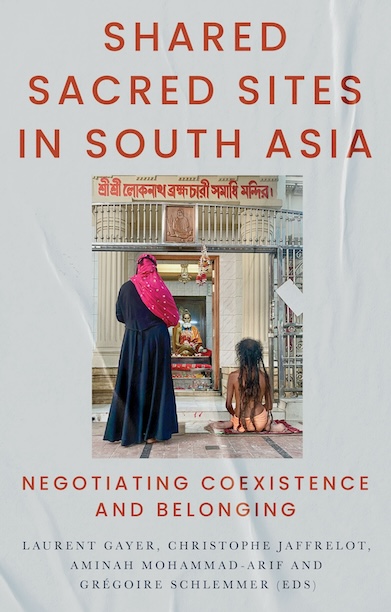
Shared Sacred Sites in South Asia
Negotiating Coexistence and Belonging
Part of the Comparative Politics and International Studies Series Christophe Jaffrelot (ed.) seriesA revelatory account of the cohabitation of religious traditions and practices in South Asia.
Description
Across the world, religious and cultural identities are being weaponised for political gains. South Asia is no exception, with frequent conflicts between faith communities strengthening politico-religious organisations, and severely straining social cohesion. Yet this region also has a history of religious intermingling, exemplified by shared sacred sites such as saints’ tombs, temples, churches, and natural elements serving as places of worship.
Such ‘sites in common’ offer rich insights into the dynamics of religious interaction. This book investigates them through two key questions. First, it examines what shared places of worship can reveal about plural societies in the midst of persistent religious and ethnic nationalism. Are they exceptional? Do they reflect or transcend socio-religious fault lines? The authors approach coexistence as a tensile equilibrium, in which conflict is no stranger to sharing: South Asia’s shared sacred sites are seen as social laboratories, where communities experiment with pluralism and its challenges. Second, the contributors consider the politics of belonging, questioning the boundaries between groups and religions. They examine the logics at work in people’s visits to places outside their own religious affiliation, challenging theoretical frameworks of religious demarcation and showing the importance of other markers, such as caste, class, language and gender.
Reviews
‘A major contribution to the study of everyday forms of religion in South Asia. While its sensitive consideration of inter-religious relations will be regarded as especially pathbreaking and important, comparative studies of Nepal, Pakistan and Mauritius also add powerful and important contributions. This is Area Studies scholarship at its best: analytically driven, empirically rich and historically and culturally informed.’ — Magnus Marsden, Professor of Anthropology, University of Sussex
‘This timely and impressive volume is distinguished by the breadth of traditions and regions represented and the high quality of each chapter. Here we can experience, as vividly as if we were there, the scope and limitations of shared sacred sites. A capacious, compelling picture of lived religion in contemporary South Asia.’ — Carla Bellamy, Professor of Anthropology and Religious Studies, Baruch College, CUNY
‘A rich and inviting collection of essays on places of inter religious engagement throughout the region. The authors refuse simplified and reductive narratives about “peace” and “conflict” by digging deeply into the complex dynamics that characterise the sites where religions converge. An essential read for anyone interested in South Asian religious histories and futures.’ — Anna Bigelow, Associate Professor of Religious Studies, Stanford University
‘At a time when religious and political polarisation seems to be winning the day, it is important to be reminded by careful ethnographic and historical scholarship that shared shrines and practices are still deeply embedded in everyday life in South Asia. This remarkable collection of case studies demonstrates that there are still sacred spaces where people come together on the basis of a shared humanity, and where identities such as Muslim, Hindu or Christian, high caste or low, rich or poor, are irrelevant. Highly recommended.’ — David N. Gellner FBA, Professor Emeritus of Social Anthropology, University of Oxford
Editor(s)

Laurent Gayer is CNRS Senior Research Professor at CERI-Sciences Po. He is the author of Karachi and Gunpoint Capitalism, and the co-editor of Muslims in Indian Cities; Armed Militias of South Asia; and Shared Sacred Sites in South Asia (all published by Hurst). He is also the co-author of Proud to Punish: The Global Landscapes of Rough Justice.
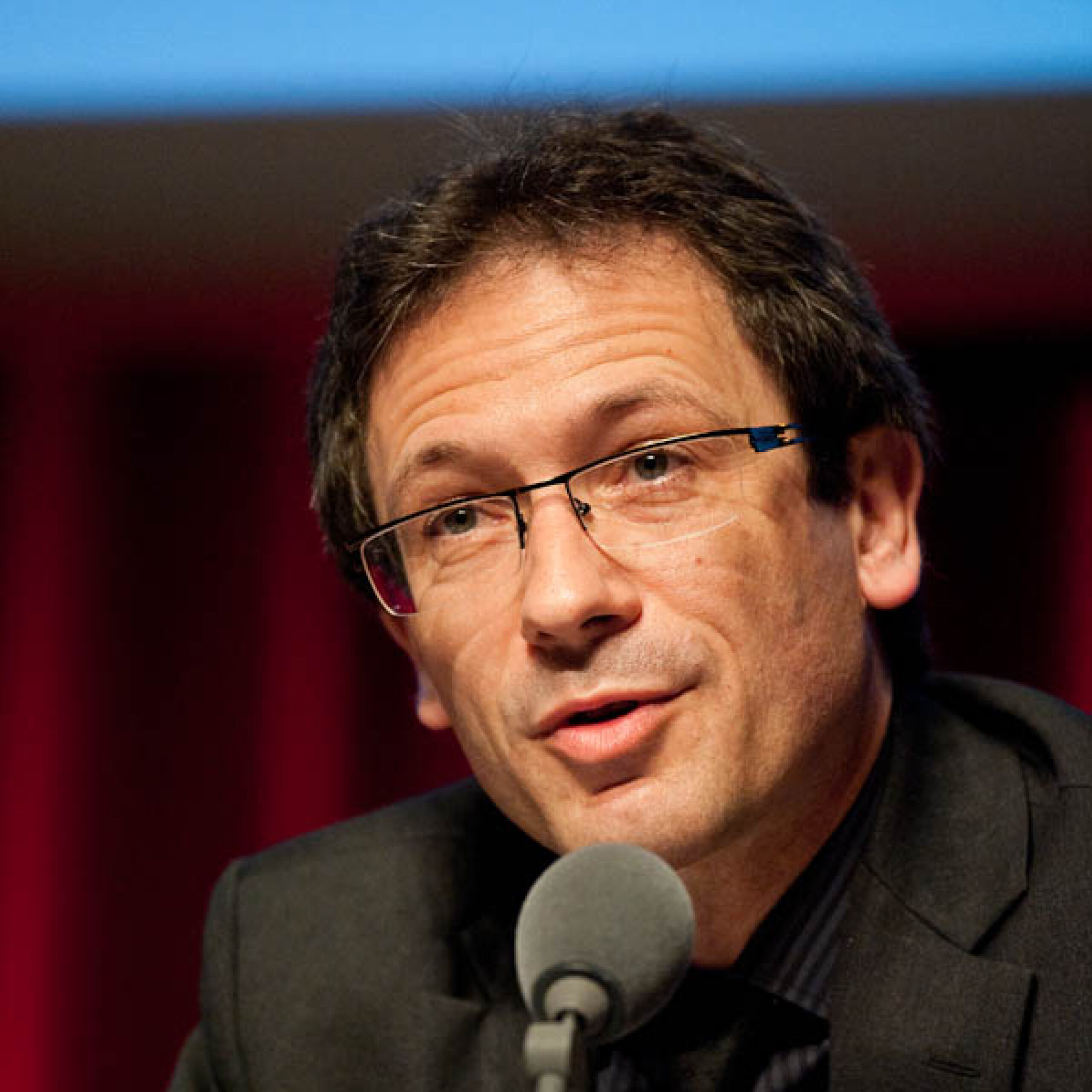
Christophe Jaffrelot is Avantha Chair and Professor of Indian Politics and Sociology at the King’s India Institute, and Research Lead for the Global Institutes, King’s College London. He teaches at Sciences Po CERI, where he was director between 2000 and 2008.
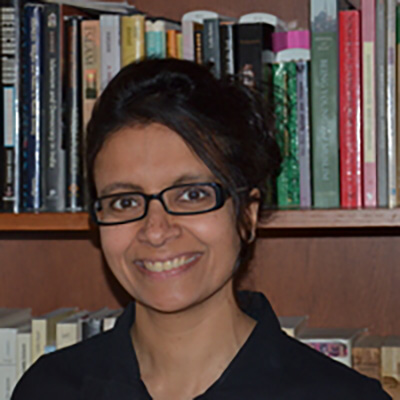
Aminah Mohammad-Arif is Research Director at France’s CNRS (Centre national de recherche scientifique), and an affiliate member of the Centre d’études sud-asiatiques et himalayennes (CNRS-EHESS). She is the author of numerous journal articles, and of books including Politique et Religions en Asie du Sud. Le sécularisme dans tous ses états? (co-edited with Christophe Jaffrelot).

Grégoire Schlemmer PhD is an anthropologist and researcher at the Institut de recherche pour le développement, based at the Migrations and Society Research Unit (URMIS), Université Paris Cité. His research focuses on issues of religion and belonging in Nepal and Laos.
Related books